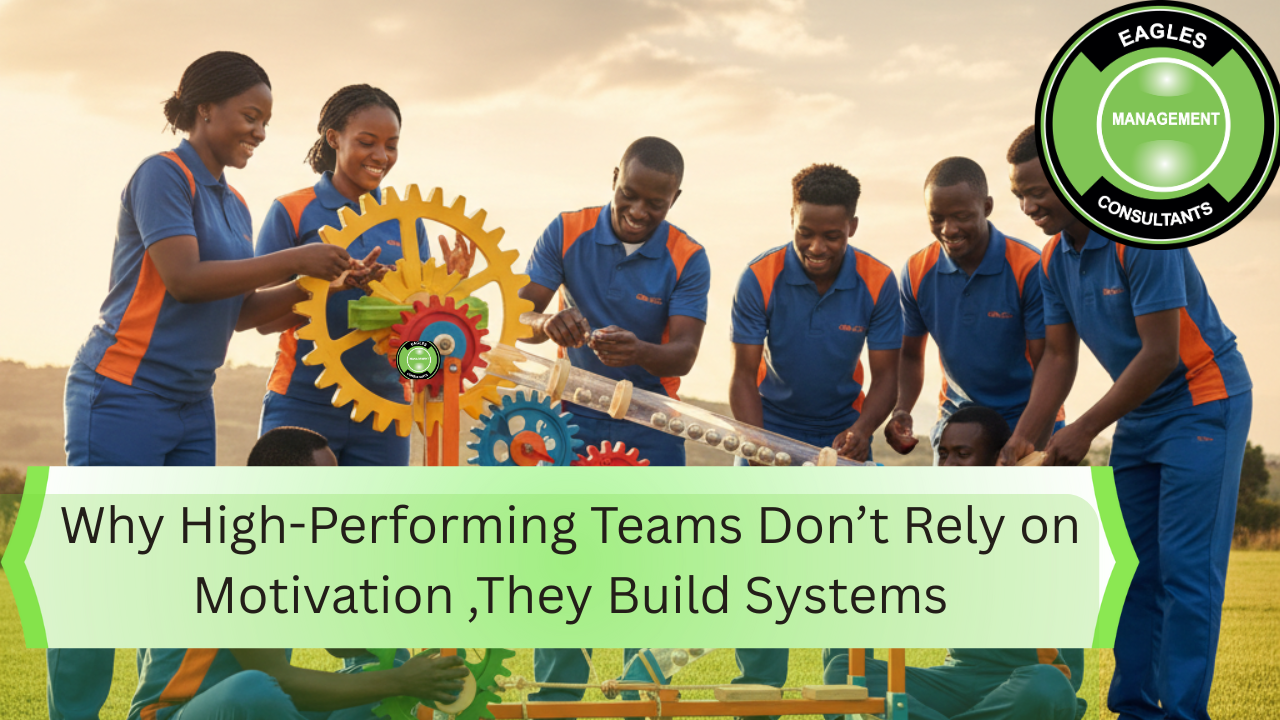
Many organizations use “team building” and “team bonding” interchangeably. While both aim to bring people together, they are not the same—and confusing the two can limit performance, productivity, and results.
For organizations focused on growth and impact, understanding the difference between team building and team bonding is essential.
What Is Team Bonding?
Team bonding focuses on relationships and emotional connection. It helps people feel comfortable around each other and builds trust on a personal level.
Common team bonding activities include:
-
Social outings and retreats
-
Celebrations and team lunches
-
Icebreakers and fun games
Team bonding improves morale and reduces tension, but on its own, it does not automatically improve performance.
What Is Team Building?
Team building focuses on skills, systems, and collaboration that directly impact results. It is structured, intentional, and aligned with organizational goals.
Effective team building addresses:
-
Communication gaps
-
Role clarity and accountability
-
Problem-solving and decision-making
-
Trust in execution, not just relationships
Team building strengthens how work gets done.
Why the Difference Matters for Results
Organizations that focus only on team bonding often have happy teams that still struggle with missed deadlines, duplication of work, and unclear responsibilities.
Team building delivers measurable outcomes because it:
-
Improves execution and efficiency
-
Reduces conflict caused by unclear roles
-
Strengthens accountability
-
Aligns individual effort with organizational goals
Bonding makes people feel connected. Building makes teams perform. To book training sessions or find top team-building venues, visit Eagles Consultants.
When to Use Team Bonding
Team bonding is most effective when:
It sets the emotional foundation for collaboration.
When to Use Team Building
Team building is critical when
-
Performance is inconsistent
-
Teams struggle with accountability
-
Communication breakdowns affect results
-
Strategy is not translating into execution
This is where leaders see real operational improvement.
The Most Effective Teams Use Both
High-performing organizations do not choose between team building and team bonding—they sequence them correctly.
Without bonding, teams may lack trust. Without building, teams lack performance.