



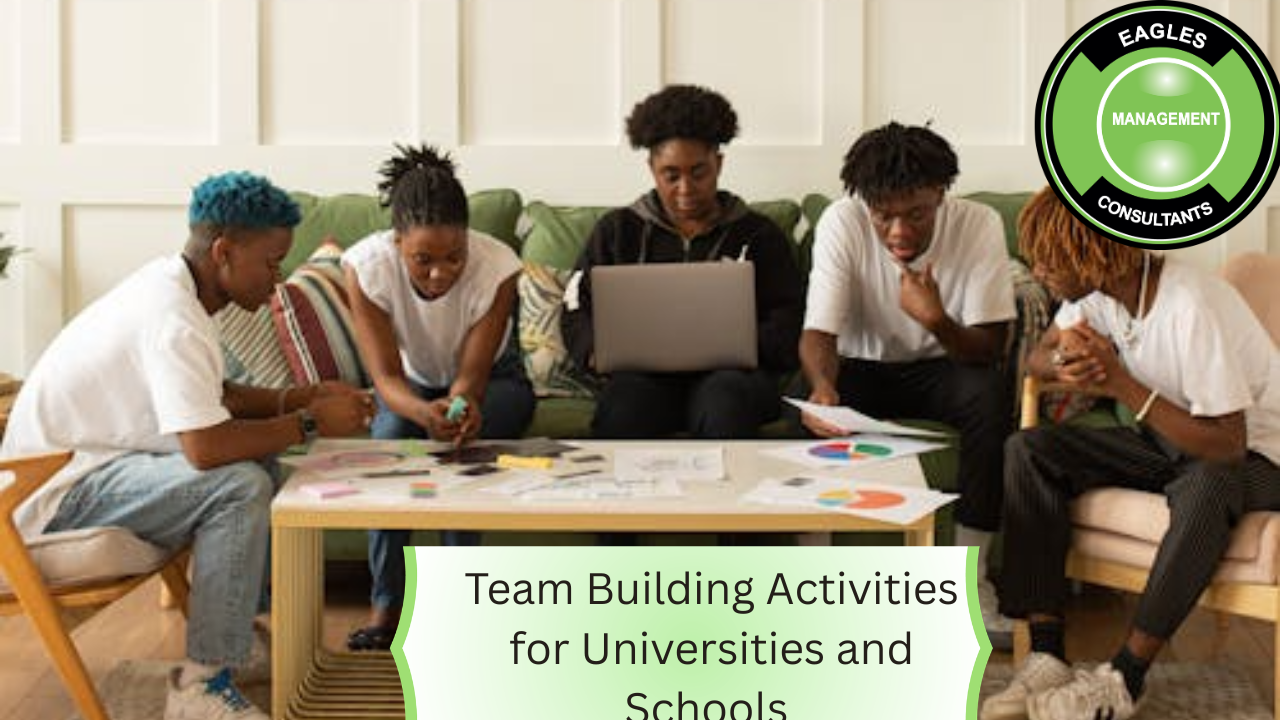
Team Building Activities for Universities and Schools
Team-building activities for universities and schools play an important role in creating positive learning environments. Educational institutions depend on collaboration among students, teachers, and administrative staff. However, academic pressure and routine responsibilities often limit meaningful interaction. As a result, structured team building activities help strengthen relationships and improve overall performance.
In Kenya, schools and universities continue to prioritize holistic education. Beyond academics, institutions now focus on teamwork, leadership, and social skills. Team building activities support this goal by encouraging cooperation, trust, and mutual respect across learning communities.
Why Team Building Is Important in Schools and Universities
Educational institutions bring together individuals from diverse backgrounds. Without strong teamwork, misunderstandings and disengagement may occur. Team-building activities help students and staff communicate effectively while appreciating different perspectives. Consequently, learning environments become more inclusive and supportive.
Team building also improves student engagement and participation. When learners feel connected to peers and educators, confidence increases. In addition, teachers and staff benefit from stronger collaboration, which improves coordination and institutional efficiency. Over time, these benefits contribute to better academic and social outcomes. To book training sessions or find top team-building venues, visit Eagles Consultants.
Key Objectives of Team Building Activities for Schools and Universities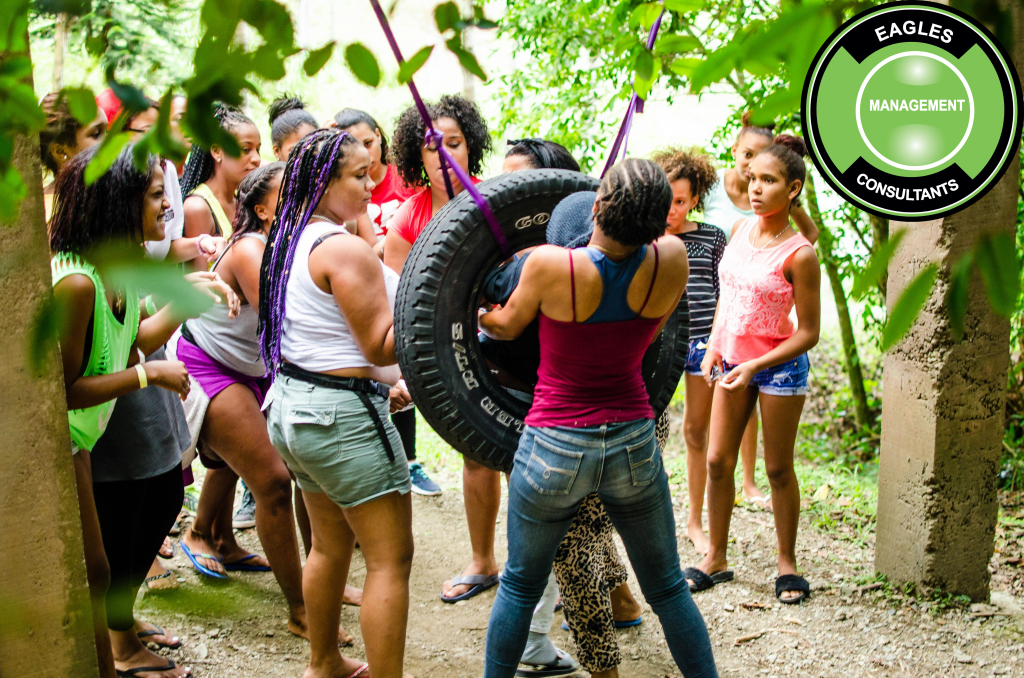
One major objective of team-building activities is improving communication. Clear communication enhances classroom interaction and reduces conflict. Another important objective involves building trust among students, educators, and staff. Trust encourages cooperation and creates a safe environment for learning and growth.
Leadership development is also a key goal. Team building activities help students develop problem-solving and decision-making skills. Furthermore, these programs aim to promote discipline, responsibility, and respect. When aligned with educational values, team building supports character development alongside academic achievement.
Team Building Activities for Schools
For primary and secondary schools, activities should be simple, engaging, and age-appropriate. Group games and classroom challenges encourage teamwork and creativity. These activities help students learn cooperation while having fun. In addition, role-playing exercises improve communication and empathy.
School-based team building also supports teachers and staff. Collaborative planning sessions and peer discussions strengthen professional relationships. As a result, teachers work more effectively together, which positively impacts student learning experiences.
Check out our team-building hotels.
Team Building Activities for Universities
Universities require more structured and goal-oriented team-building activities. Leadership workshops and problem-solving sessions help students prepare for professional environments. These activities encourage critical thinking, accountability, and teamwork. Consequently, students develop skills beyond academic knowledge.
For university staff and faculty, team building supports interdepartmental collaboration. Strategy sessions and experiential activities improve coordination and reduce workplace stress. When staff work as cohesive teams, institutional operations become more efficient and responsive.
Best Practices for Effective Educational Team Building
Successful team-building activities require clear objectives and thoughtful planning. Activities should align with institutional goals and participant needs. Inclusivity is essential to ensure every participant feels valued and involved. This approach strengthens engagement and learning outcomes.
Professional facilitation adds structure and purpose to team-building sessions. Facilitators guide participation while keeping activities focused. Follow-up discussions help participants reflect and apply lessons learned. When team building becomes continuous, institutions experience long-term positive change.
Conclusion
Team-building activities for universities and schools are essential for fostering collaboration, leadership, and positive learning environments. Strong teams support academic success and personal development. Through intentional and well-planned activities, educational institutions can nurture confident, cooperative, and motivated communities.
By investing in teamwork, schools and universities prepare students and staff for long-term success. Team building remains a valuable tool for strengthening education systems and shaping future leaders.Eagles Consultants connects organizations with the best team-building hotels. The platform simplifies planning by offering expert guidance and verified venues. As a result, clients enjoy seamless coordination. Visit Eagles Consultants for expert guidance and tailor-made packages! EaglesConsultants continues to lead the way with exceptional training programs and trusted hotel partnerships.
