



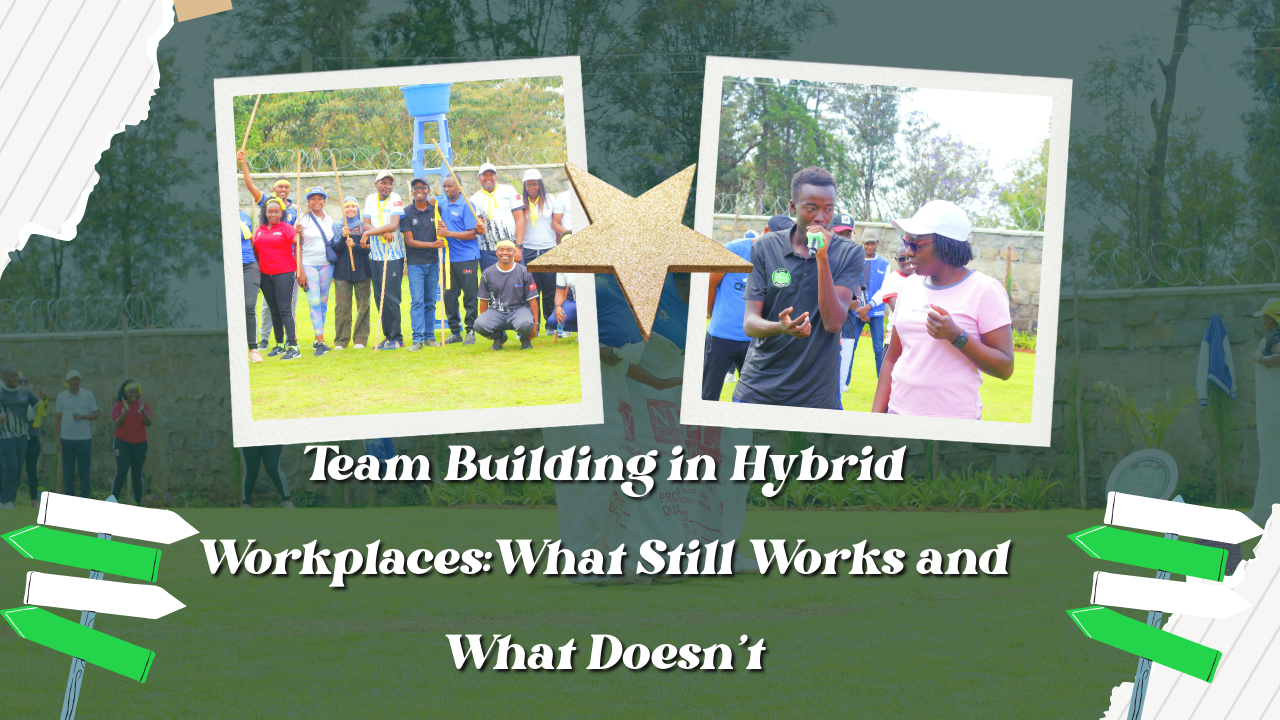
Team Building in Hybrid Workplaces: What Still Works and What Doesn’t
The rise of hybrid workplaces has transformed how teams interact, collaborate, and build trust. With employees splitting time between remote and physical offices, traditional team-building approaches no longer work the same way. Organizations that fail to adapt often struggle with disengagement, weak collaboration, and declining performance. Understanding what still works and what no longer delivers value is essential for building strong teams in a hybrid environment.
Why Team Building Matters More in Hybrid Workplaces
Hybrid work offers flexibility, but it also creates distance. Employees may feel isolated, disconnected from organizational culture, or excluded from informal interactions that naturally happen in physical offices. Effective team building helps bridge these gaps by fostering trust, improving communication, and reinforcing a shared sense of purpose. In hybrid settings, team building is no longer optional—it is a strategic necessity.
What Still Works in Hybrid Team Building
Clear communication remains one of the most effective team-building tools. Regular check-ins, structured team meetings, and transparent updates help employees feel included regardless of location. When leaders intentionally create space for dialogue, teams are more aligned and engaged.
Purpose-driven activities also continue to work well. Team-building initiatives that are tied to real work goals—such as problem-solving sessions, collaborative planning, or innovation challenges—feel meaningful and relevant. These activities strengthen collaboration while delivering tangible outcomes for the organization.
Trust-building through accountability is another approach that still works. Hybrid teams thrive when expectations are clear and performance is measured by outcomes rather than physical presence. When employees feel trusted to deliver results, morale improves and teamwork becomes more organic.
Leadership involvement remains critical. Leaders who actively participate in team-building efforts, model collaboration, and show empathy set the tone for the entire team. In hybrid workplaces, visible and supportive leadership helps maintain connection and motivation.To book training sessions or find top team-building venues, visit Eagles Consultants.
What No Longer Works in Hybrid Team Building
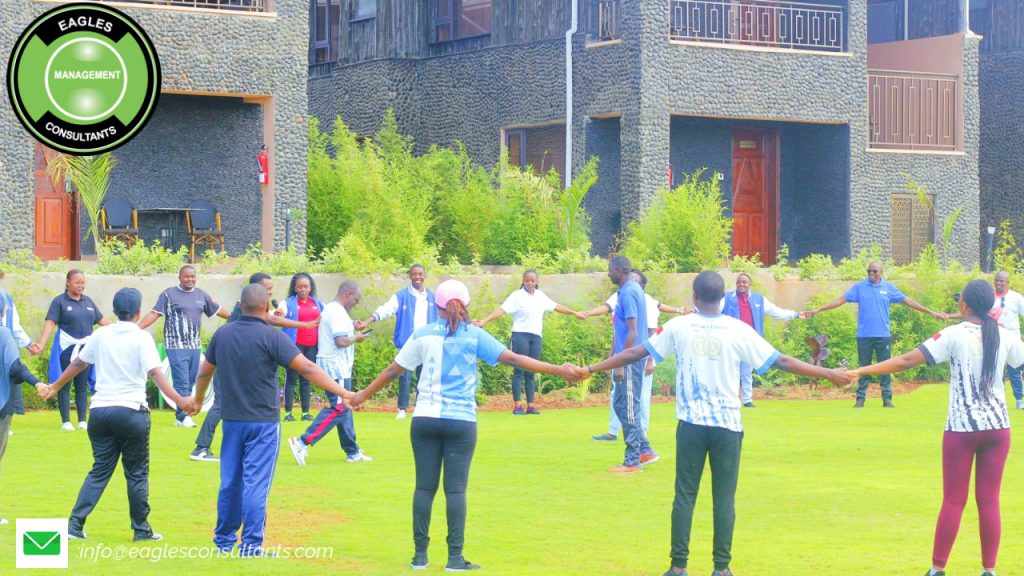
One-size-fits-all activities are increasingly ineffective. Traditional team-building exercises designed for fully in-person teams often exclude remote employees or feel forced in virtual settings. Activities that rely heavily on physical presence can unintentionally create divisions between remote and office-based staff.
Overreliance on virtual games is another common pitfall. While online games can be useful in moderation, excessive or poorly timed virtual activities may feel superficial and disconnected from real work challenges. Employees are more likely to disengage when team building feels like a distraction rather than a value-adding experience.
Ignoring inclusivity no longer works. Scheduling activities without considering time zones, workload, or accessibility can alienate team members. Hybrid team building must be intentionally inclusive to ensure everyone feels valued and involved.
Lastly, treating team building as a one-off event rather than an ongoing process is ineffective. Hybrid teams require continuous effort to maintain connection. Occasional activities without follow-up rarely produce lasting impact.
Check out our team-building hotels.
Nairobi Team Building Hotels
Naivasha Team Building Hotels
Mombasa Team Building Hotels
Sagana Team Building Hotels
Kisumu Team Building Hotels
Nakuru Team Building Hotels
Nanyuki Team Building Hotels
How Organizations Can Build Strong Hybrid Teams
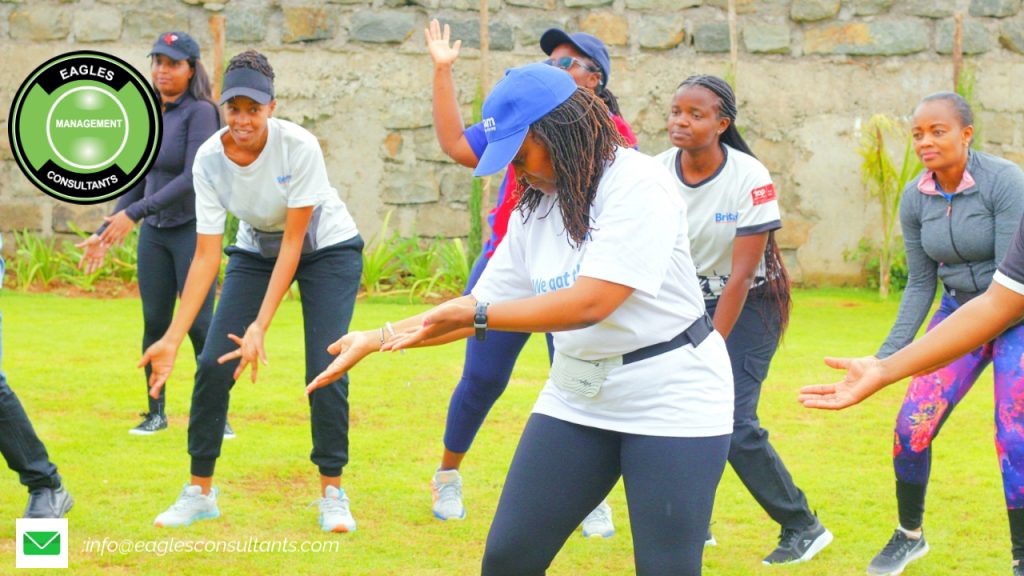
Successful organizations design team-building strategies that balance structure and flexibility. This includes combining virtual and in-person interactions, encouraging cross-functional collaboration, and creating regular opportunities for feedback. Managers should focus on fostering psychological safety, where employees feel comfortable sharing ideas and concerns regardless of where they work from.
Investing in leadership training is also essential. Leaders must be equipped with the skills to manage hybrid teams effectively, including communication, empathy, and performance management. When leaders are prepared, team-building efforts become more intentional and impactful.At Eagles Consultants, we create tailored experiences that help teams in Nairobi and beyond grow stronger, work smarter, and build a culture they love.
Conclusion
Team building in hybrid workplaces requires a shift in mindset. What worked in fully office-based environments may no longer be effective, while approaches rooted in communication, trust, purpose, and inclusivity continue to deliver results. Organizations that adapt their team-building strategies to the realities of hybrid work are better positioned to build resilient, engaged, and high-performing teams. For consultants and leaders alike, the focus should be on creating meaningful connections that support both people and performance. At Eagles Consultants, team building is more than an activity. It is a strategic investment in people, performance, and long-term success. Organizations that prioritize service through team building position themselves for sustainable growth and stronger client relationships. Eagles Consultants connects organizations with the best team-building hotels. The platform simplifies planning by offering expert guidance and verified venues. As a result, clients enjoy seamless coordination. Visit Eagles Consultants for expert guidance and tailor-made packages! EaglesConsultants continues to lead the way with exceptional training programs and trusted hotel partnerships.
