



25 Team Building Activities for Small Groups (5–20 People).
Are you struggling to connect a small team without resorting to awkward corporate cliches? Finding engaging Team Building Activities for Small Groups is the fastest way to boost workplace morale, sharpen communication and foster genuine trust among 5 to 20 team members. Small teams possess a unique dynamic; everyone’s voice matters, hiding in the back is impossible and meaningful connection happens rapidly when given the right environment. At www.teambuildingkenya.co.ke, we specialize in creating high-impact corporate bonding experiences tailored specifically for small, focused teams seeking measurable results.
Below is the ultimate curated list of 25 proven activities designed to strengthen communication, problem-solving and trust for small teams.
Why Team Building Activities for Small Groups Matter.
Working with 5 to 20 participants is fundamentally different from organizing events for large corporate divisions. In a small group setting, interpersonal relationships directly influence daily productivity, decision-making speed and company culture.
- 100% Participation: In large groups, passive observers often blend into the background. Small groups force full engagement, ensuring every single employee contributes to the challenge.
- Deeper Psychological Safety: Fewer people mean participants feel safer expressing unconventional ideas, taking risks and showcasing authentic vulnerability.
- Cost and Logistics Efficiency: Planning corporate team building packages for small teams requires smaller budget allocations, less venue space and minimal transportation overhead.
- Targeted Skill Development: Facilitators can easily observe individual strengths, communication breakdowns and leadership styles to provide instant, actionable feedback.
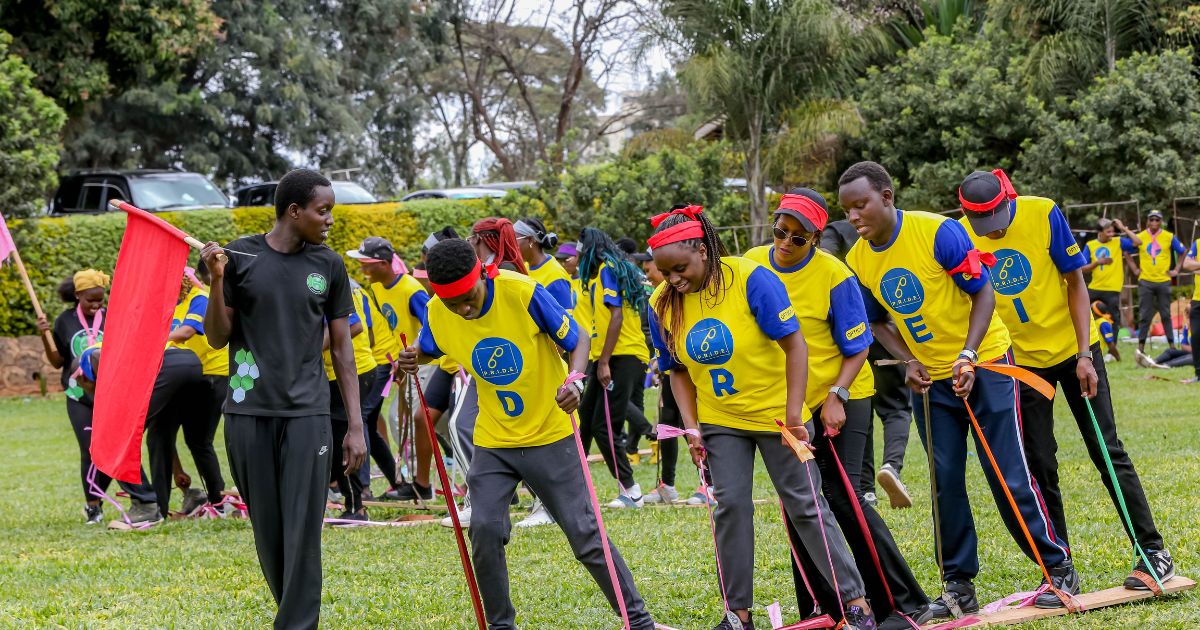
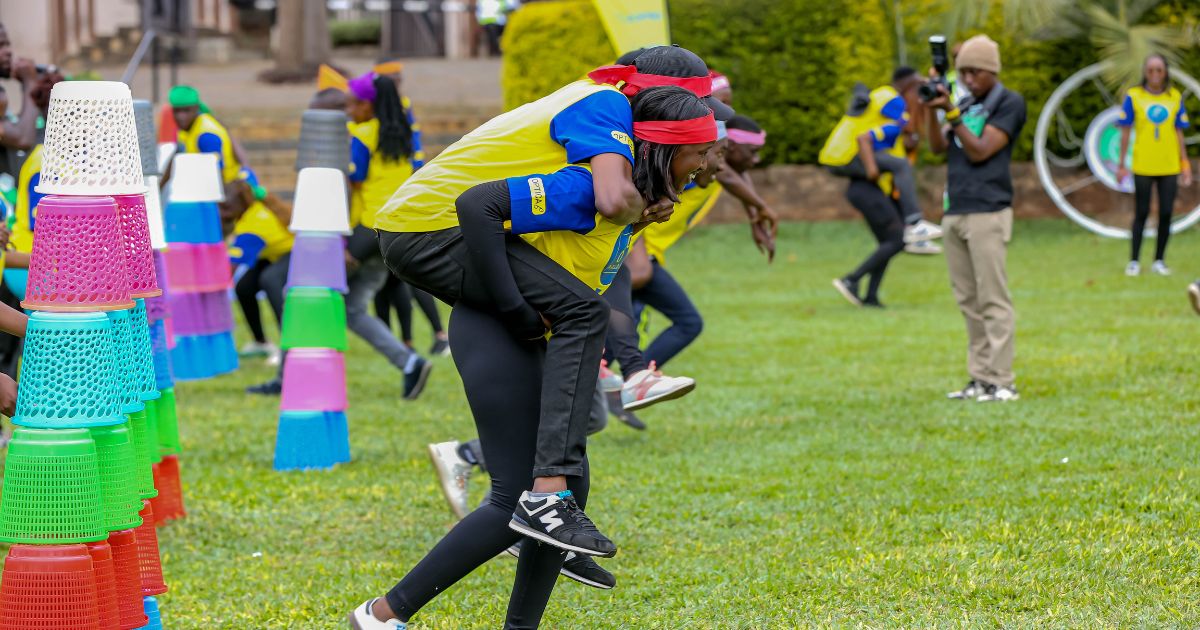
25 High-Impact Team Building Activities for Small Groups.
1. The Marshmallow Challenge.
- Group Size: 5 – 20 people (Split into teams of 4)
- Time Required: 30 minutes
- Materials Needed: 20 sticks of dry spaghetti, 1 yard of tape, 1 yard of string and 1 marshmallow per team.
- Objective: Build the tallest freestanding structure that supports the marshmallow on top within 18 minutes.
How it Works: Teams must design and build a structure using fragile materials, forcing them to prototype quickly rather than overthink planning. The challenge highlights collaboration, rapid iteration and creative problem-solving under tight time pressure.
2. Blind Retriever.
- Group Size: 6 – 20 people
- Time Required: 30 minutes
- Materials Needed: Blindfolds and various safe indoor/outdoor objects (balls, cones, water bottles).
- Objective: Direct a blindfolded teammate to retrieve specific items placed across an open field or hall using only verbal guidance.
How it Works: Divide the group into smaller competing teams. One member is blindfolded while the rest stand behind a starting line, shouting clear directions. This exercise underscores trust, clear communication and filtering out background noise.
3. Back-to-Back Drawing.
- Group Size: 6 – 20 people (Paired up)
- Time Required: 20 minutes
- Materials Needed: Paper, markers and simple line-drawing diagrams.
- Objective: One partner describes a drawing without naming it, while the other tries to draw it accurately.
How it Works: Partners sit back-to-back. Partner A receives a simple geometric or abstract image and must describe it using shapes and directions only. Partner B draws based strictly on those instructions. It illustrates the gaps between intention and interpretation in daily workplace messaging.
4. The Human Knot.
- Group Size: 8 – 16 people
- Time Required: 15–20 minutes
- Materials Needed: None.
- Objective: Untangle a connected circle of hands without letting go.
How it Works: Participants stand in a tight circle, reach across and grab two different people’s hands. The team must work physically and communication-wise to untangle the web into a clear circle without breaking contact. This classic indoor team building activity builds patience, physical coordination, and shared leadership.
5. Two Truths and a Lie (Professional Edition).
- Group Size: 5 – 15 people
- Time Required: 20 minutes
- Materials Needed: None (or sticky notes).
- Objective: Guess which statement made by a coworker is false.
How it Works: Each person shares three professional or personal facts about themselves—two true and one false. The rest of the small group votes on the lie. This low-stress icebreaker encourages vulnerability and reveals hidden talents or background stories among colleagues.
6. The Desert Island Survival Scenario.
- Group Size: 5 – 20 people
- Time Required: 45 minutes
- Materials Needed: Printed list of 15 survival items, pens, paper.
- Objective: Agree as a collective group on the top 5 essential items to survive on a deserted island.
How it Works: Individuals first rank the 15 items on their own. Next, the team comes together to form a unanimous consensus list. Comparing individual scores against team scores demonstrates how collective intelligence yields better outcomes than solo decision-making.
7. Office Trivia Challenge.
- Group Size: 5 – 20 people
- Time Required: 45 minutes
- Materials Needed: Projector or printouts with custom questions.
- Objective: Answer company, industry and team-specific trivia questions.
How it Works: Create trivia categories featuring funny moments from past projects, office history and team members’ unique quirks. It reinforces shared identity, celebrates company culture and brings lighthearted fun into the workplace.
8. Picture Pieces Game.
- Group Size: 6 – 20 people
- Time Required: 30–45 minutes
- Materials Needed: A known image cut into equal puzzle-like squares, drawing paper, markers.
- Objective: Recreate a enlarged replica of a picture without seeing the full image.
How it Works: Each participant receives one small slice of a larger picture and must enlarge it onto a bigger sheet of paper. They are allowed to discuss boundary lines with neighbors but cannot see the overall master photo. When assembled, the final piece shows how individual contributions combine into a master vision.
9. The Minefield.
- Group Size: 6 – 20 people
- Time Required: 30 minutes
- Materials Needed: Blindfolds, random objects (chairs, cups, balls, cones).
- Objective: Guide a blindfolded partner safely through an obstacle course using verbal cues only.
How it Works: Scatter obstacles across a clear space. One partner walks blindfolded through the maze while the other stands at the perimeter providing directions. To increase difficulty, multiple pairs enter the minefield simultaneously, requiring deep focus and active listening. You can discover more dynamic outdoor team building games at www.teambuildingkenya.co.ke.
10. Minute to Win It Challenges.
- Group Size: 5 – 20 people
- Time Required: 60 minutes
- Materials Needed: Plastic cups, ping pong balls, stopwatches, rubber bands, straws.
- Objective: Complete fast-paced 60-second physical and cognitive challenges.
How it Works: Set up 5 to 7 stations with quick, energizing tasks (like stacking 10 cups using one hand or moving ping pong balls using straws). Rotate participants quickly. This format brings high energy, healthy competition and plenty of laughter to small group gatherings.
11. Scavenger Hunt / Treasure Hunt.
- Group Size: 6 – 20 people
- Time Required: 1 to 2 hours
- Materials Needed: Clue sheets, riddles, smartphones for photo verification.
- Objective: Solve location-based clues and collect items or photos within a set time limit.
How it Works: Divide the group into 2 or 3 small sub-teams. Send them across the venue, office park or retreat resort to collect specific photos, videos or physical objects. Scavenger hunts promote problem-solving, strategic division of labor and outdoor exploration.
12. Giant Jenga Strategy Challenge.
- Group Size: 5 – 15 people
- Time Required: 30 minutes
- Materials Needed: Giant wooden Jenga blocks with custom questions written on them.
- Objective: Remove wooden blocks without letting the tower fall, answering prompt questions along the way.
How it Works: Write strategic work questions (e.g., “What is our biggest operational bottleneck?”) or personal questions on each block. When a player pulls a block, they must answer the question before placing it on top. This blends physical concentration with structured team discussions.
13. Code of Conduct Workshop.
- Group Size: 5 – 20 people
- Time Required: 45 minutes
- Materials Needed: Flipchart, colorful sticky notes, markers.
- Objective: Co-create a shared set of values, rules and communication norms for the team.
How it Works: Ask everyone to write down what they need from their teammates to feel valued, productive and supported. Group the sticky notes into themes like “Communication,” “Accountability,” and “Respect.” Draft a mutual agreement that stays displayed in the office or shared digital drive.
14. Egg Drop Challenge.
- Group Size: 6 – 20 people
- Time Required: 45–60 minutes
- Materials Needed: Raw eggs, straws, newspapers, tape, rubber bands, string.
- Objective: Design a protective casing that keeps a raw egg intact when dropped from a 10-foot height.
How it Works: Teams receive an identical bundle of limited materials and 30 minutes to engineer a shock-absorbing structure. Drop the eggs one by one from a high ledge. This classic experiment emphasizes resource management, engineering innovation and risk management.
15. The Barter Puzzle.
- Group Size: 8 – 20 people (Split into 3 or 4 sub-teams)
- Time Required: 45 minutes
- Materials Needed: 3 to 4 distinct jigsaw puzzles with pieces mixed up across groups.
- Objective: Complete your team’s puzzle first by negotiating and bartering for missing pieces.
How it Works: Each group receives a puzzle box containing several pieces belonging to other teams. Teams soon realize they cannot win alone—they must negotiate, trade resources or form alliances with other groups to retrieve their required pieces.
16. Shared Cooking Class / MasterChef Challenge.
- Group Size: 5 – 20 people
- Time Required: 2 to 3 hours
- Materials Needed: Cooking ingredients, aprons, portable stoves, utensils.
- Objective: Prepare a cohesive multi-course meal or dish as a team.
How it Works: Assign different courses or secret ingredients to small sub-teams. Participants must coordinate timing, division of task and presentation. Sharing a meal created through collective effort builds profound social bonds and offers a relaxing, non-work environment.
17. The Helium Stick.
- Group Size: 6 – 14 people
- Time Required: 20 minutes
- Materials Needed: A thin, lightweight bamboo stick or PVC pipe.
- Objective: Lower a long, light stick to the ground using only the index fingers of every team member.
How it Works: Team members stand facing each other in two lines, holding out their index fingers. The stick is placed across their fingers. Everyone must keep constant contact with the stick at all times without grabbing it. Due to natural upward pressure, the stick usually goes up instead of down, triggering intense collective coordination and self-regulation.
18. Storytelling Circle (High-Low-Hero).
- Group Size: 5 – 12 people
- Time Required: 30–45 minutes
- Materials Needed: Comfortable seating, quiet room or campfire setting.
- Objective: Share personal professional experiences to build emotional intelligence and empathy.
How it Works: Each team member shares three things from their recent work life or career: a “High” (a success), a “Low” (a setback or challenge) and a “Hero” (someone who supported them). This simple framework encourages vulnerability, peer recognition and deep psychological safety.
19. Virtual / Hybrid Escape Room.
- Group Size: 5 – 15 people
- Time Required: 60 minutes
- Materials Needed: Computers, video conferencing software, digital escape room access.
- Objective: Solve a series of interconnected online codes, riddles and puzzles to “escape” a virtual room before the timer runs out.
How it Works: Ideal for remote or hybrid small teams, participants collaborate inside breakout rooms using shared screen controls. It tests logical deduction, digital agility and time management in an immersive story-driven format.
20. Group Canvas Painting (The Big Picture).
- Group Size: 5 – 20 people
- Time Required: 1.5 to 2 hours
- Materials Needed: Blank art canvases, acrylic paints, brushes, protective sheets.
- Objective: Paint individual canvases that align perfectly when placed side-by-side to reveal a corporate logo or mission statement.
How it Works: Divide a large design into smaller canvas panels given to individuals or pairs. Participants paint their section, paying close attention to edge lines where their panel connects with their neighbor’s. The final assembly reveals how individual creativity contributes to a unified corporate picture.
21. Silent Line-Up.
- Group Size: 6 – 20 people
- Time Required: 15 minutes
- Materials Needed: None.
- Objective: Line up in exact chronological order by birth date, height or tenure without speaking a single word.
How it Works: Participants must communicate entirely through hand gestures, body language and non-verbal cues to order themselves correctly from left to right. This quick exercise highlights the power of non-verbal communication and spatial awareness.
22. Corporate CSR / Community Giveback Project.
- Group Size: 5 – 20 people
- Time Required: 2 to 4 hours
- Materials Needed: CSR materials (e.g., tree seedlings, school supply kits, food packing boxes).
- Objective: Assemble care packages or complete a physical improvement project for a local charity.
How it Works: Small teams assemble care packages, plant trees or renovate a classroom for a local community cause. Working together toward an altruistic, real-world goal generates deep personal satisfaction, shared purpose and lasting camaraderie. Explore community impact ideas on www.teambuildingkenya.co.ke.
23. The Tower of Hanoi Strategy Game.
- Group Size: 5 – 15 people
- Time Required: 30 minutes
- Materials Needed: Giant wooden discs and three posts.
- Objective: Move an entire stack of discs from one post to another, obeying strict movement constraints.
How it Works: Only one disc can be moved at a time and a larger disc can never be placed on top of a smaller disc. The group must plan several moves ahead and delegate specific roles. This exercise focuses on long-term planning, strategic patience and error prevention.
24. Team Board Game Tournament.
- Group Size: 5 – 20 people
- Time Required: 1 to 2 hours
- Materials Needed: Cooperative board games (e.g., Pandemic, Codenames, Forbidden Island).
- Objective: Work together against the game mechanics to win as a collective unit.
How it Works: Unlike competitive games where one player wins and others lose, cooperative board games require the entire team to coordinate strategy against a shared threat built into the game. It encourages strategic delegation, risk assessment and group alignment.
25. Outdoor Adventure & Ropes Course.
- Group Size: 5 – 20 people
- Time Required: Half-day or Full-day
- Materials Needed: Safety harnesses, climbing gear, certified professional facilitators.
- Objective: Overcome high/low ropes obstacles through physical support, encouragement and safety spotting.
How it Works: Set in a specialized outdoor facility, team members assist each other across zip lines, balance beams and wall climbs. This experiential challenge builds high level trust, helps people break through personal comfort zones and creates unforgettable memories.
Comparison Table: How to Choose the Right Team Building Activity.
| Activity | Group Size | Location | Primary Skill Developed | Prep Effort |
| The Marshmallow Challenge | 5 – 20 | Indoor / Outdoor | Rapid Prototyping & Innovation | Low |
| Blind Retriever | 6 – 20 | Outdoor | Clear Verbal Communication & Trust | Low |
| Desert Island Survival | 5 – 20 | Indoor / Virtual | Group Decision-Making & Consensus | Very Low |
| The Barter Puzzle | 8 – 20 | Indoor | Negotiation & Cross-Team Strategy | Medium |
| Outdoor Ropes Course | 5 – 20 | Dedicated Venue | High-Level Trust & Courage | High (Facilitator needed) |
| Back-to-Back Drawing | 6 – 20 | Indoor | Active Listening & Clarity | Low |
Tips for Planning Successful Team Building Activities.
Executing impactful Team Building Activities for Small Groups requires thoughtful preparation. Because every individual’s attitude significantly impacts a small group, keep these best practices in mind:
- Define Clear Objectives First: Determine whether your primary goal is conflict resolution, rewarding performance, integrating new hires or improving cross-departmental communication.
- Choose the Right Venue: While conference rooms work well for quick icebreakers, changing the physical environment by taking your team offsite dramatically boosts mental engagement. Popular outdoor team building venues in Nairobi, Naivasha and Mombasa offer ideal environments for outdoor games.
- Hire Professional Facilitators: Even small groups benefit immensely from neutral corporate team building facilitators in Kenya who can guide debrief sessions, manage group dynamics and draw out meaningful business lessons.
- Follow Up with Action Steps: The impact of a team building event should extend far beyond the retreat day. Document key realizations, commit to refined team values and hold follow-up check-ins back at the workplace.
Frequently Asked Questions (FAQs) on Team Building Activities for Small Groups.
1. What are the best team building activities for small groups with a tight budget?
Simple, low-cost games like Two Truths and a Lie, The Human Knot, Back-to-Back Drawing and Desert Island Survival require almost no expensive materials and can be hosted inside your office conference room for free.
2. How long should a team building session for 5 to 20 people last?
For routine monthly bonding, a 1 to 2-hour session is sufficient. However, for transformational corporate culture building, a full-day or multi-day retreat at a dedicated facility booked via www.teambuildingkenya.co.ke yields much deeper impact.
3. How do you engage introverted employees during small group activities?
Choose structured, low-pressure exercises like Picture Pieces or Storytelling Circles where everyone receives equal time to speak. Avoid aggressive high-intensity shouting games that favor dominant extroverted personalities.
4. Can these small group activities be adapted for remote or hybrid teams?
Yes! Games like Desert Island Survival, Office Trivia, Virtual Escape Rooms and Two Truths and a Lie transition seamlessly to digital video platforms like Zoom, Microsoft Teams or Google Meet.
5. Why is team building different for small groups compared to large groups?
Small groups allow zero room for passive attendance. Everyone must participate actively, meaning emotional connections build much faster, accountability is immediate and trust-building is more direct.
6. Where can we host outdoor team building for small groups in Kenya?
Top locations include serenity-focused resorts in Naivasha, peaceful gardens in Nairobi and beach properties along the Coast. You can find comprehensive location guides and packages at www.teambuildingkenya.co.ke.
7. How frequently should small teams conduct team building events?
Small teams thrive when combining short, monthly 30-minute team-building icebreakers with major quarterly offsite retreats or semi-annual outdoor adventure days.
8. How do we measure the success of a small group team building activity?
Measure success through post-event feedback surveys, observable communication changes, faster conflict resolution speeds and improved project delivery collaboration in the weeks following the event.
9. Should management actively participate alongside staff in these activities?
Absolutely. When leaders participate on equal footing—showing vulnerability, making mistakes in games and listening to colleagues—it flattens harmful hierarchies and builds authentic leadership trust.
10. What is the role of a professional team building facilitator?
A professional facilitator plans logistics, manages group dynamics, ensures safe execution and leads debrief discussions that translate fun activities into actionable workplace strategies. Learn more about professional facilitation options at www.teambuildingkenya.co.ke.
Final Thoughts on Team Building Activities for Small Groups.
Investing in targeted Team Building Activities for Small Groups is not merely an optional company perk—it is a core strategy for driving high performance, reducing employee turnaround and building a resilient company culture. Small teams hold massive potential because every individual plays a vital role in daily success. By executing structured exercises that focus on trust, clear communication, and strategic problem-solving, you unlock the full creative power of your workforce.
Ready to elevate your small team’s performance with world-class, customized corporate programs? Partner with Kenya’s premier corporate event experts. Visit www.teambuildingkenya.co.ke today to explore tailor-made packages, professional facilitation services and top-rated venue options that will turn your team into an unstoppable force.
