


Corporate Retreat Planning in Kenya: A Guide for HR and Management.
Are your employees feeling disconnected and burnt out from the daily office grind? Successful Corporate Retreat Planning in Kenya is the ultimate secret to reigniting passion, improving workplace communication and driving company growth. As an HR manager or business leader, organizing a company getaway can feel like an overwhelming task. However, when done correctly, an offsite event becomes a powerful tool to align your team with corporate goals. From the serene lakeside venues in Naivasha to the high-adrenaline adventure camps in Sagana, the country offers exceptional destinations for every type of organization. By partnering with professional facilitators at www.teambuildingkenya.co.ke, you can design a transformative experience that perfectly balances strategy, relaxation and team bonding.
Why Corporate Retreats Are Essential for Kenyan Companies.
In today’s fast-paced corporate environment, taking your team away from their regular desks is no longer just a luxury; it is a vital business strategy. Companies across Nairobi and beyond are realizing that taking a break from the usual routine yields massive returns in productivity and employee satisfaction. When employees step out of their formal office roles, they interact as humans first, which breaks down rigid departmental silos.
A well-executed company getaway fosters deep trust among colleagues. When the finance team and the marketing department share a meal or solve an outdoor puzzle together, they build rapport that translates into smoother daily operations. Retreats also provide a neutral ground for leadership to communicate the company’s future vision without the constant interruptions of emails and urgent meetings.
Furthermore, investing in high-quality HR corporate events significantly reduces employee turnover. Top talent wants to work for organizations that value their mental health, well-being and personal development. By organizing consistent, engaging offsites, you show your staff that they are valued beyond their daily output, ultimately boosting loyalty and long-term retention.

The Step-by-Step HR Checklist for Offsite Planning.
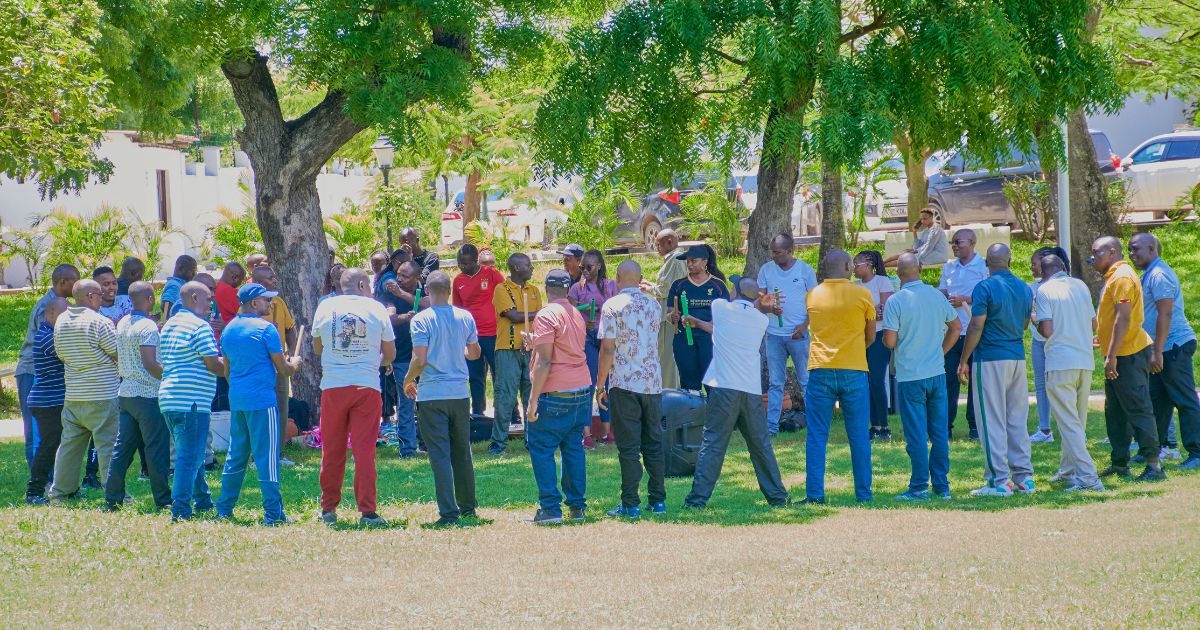
Planning a flawless corporate event requires excellent organization. Missing small details can lead to major frustrations on the day of the event. Here is a comprehensive checklist to guide HR professionals through the process.
1. Set Clear Objectives.
Before you even look at a map, you must define the purpose of the trip. Are you trying to integrate new hires after a period of rapid growth? Do you need a quiet environment for senior management to draft the annual strategic plan? Or is the goal simply to reward the staff for hitting their yearly targets? Your primary objective will dictate the venue, the agenda and the tone of the entire trip.
2. Establish a Flexible Budget.
A common mistake in event management is planning an elaborate itinerary before securing the budget. Work with your finance department to agree on a total spend. It is crucial to remember that accommodation and transport rates fluctuate depending on the season, so avoid locking yourself into strict price expectations based on outdated information. Always leave a buffer in your budget for unexpected logistical costs or emergency changes.
3. Choose the Right Venue.
Your chosen location must align with your goals. If your priority is intense team building, look for venues with expansive outdoor fields. If the focus is on executive training, prioritize hotels with modern, soundproof conference facilities and reliable internet.
4. Create a Balanced Itinerary.
The fastest way to ruin a company trip is to over-schedule it. If you pack every hour with intense workshops and physical games, your employees will return to the office more exhausted than when they left. Balance strategy sessions with lighthearted activities, and always leave room for unstructured free time where genuine, organic bonding happens.
5. Partner with Expert Facilitators.
Managing logistics while trying to participate in the retreat yourself is nearly impossible for an HR manager. Hiring external experts ensures that the event runs smoothly. Professional facilitators handle the pacing, the games and the energy of the room. You can find top-tier coordination services at www.teambuildingkenya.co.ke to take the stress off your shoulders.
Top 5 Destinations for Corporate Retreats in Kenya.
Kenya is blessed with incredibly diverse landscapes, meaning you can find the perfect backdrop for any corporate goal without traveling too far.
1. Naivasha and Nakuru: The Lakeside Escapes.
Naivasha remains the undisputed king of corporate retreat destinations. Located just a short drive from Nairobi, it saves companies heavily on transport time while offering a complete change of scenery. The area boasts a high concentration of excellent venues, from the expansive lawns of Sawela Lodges to the premium facilities at Enashipai. These locations are perfect for outdoor challenges, raft-building exercises and relaxed evening networking by the lake.
2. Sagana: The Adventure Capital.
If your team struggles with trust or needs a massive jolt of energy, take them to Murang’a County. Sagana is famous for high-adrenaline outdoor activities. Venues like Savage Wilderness force employees to work together in thrilling situations. White water rafting down the Tana River requires absolute synchronization and clear communication, making it an unmatched exercise in teamwork.
3. Limuru and Kiambu: Quiet Forest Strategy.
For executive management retreats and deep strategic planning, the cool, quiet forests of Limuru are ideal. The lack of digital distractions and the fresh, crisp air help leaders clear their minds. Venues such as Brackenhurst Conference Centre offer eco-friendly sanctuaries with indigenous forests, providing a peaceful environment for high-level brainstorming and decision-making.
4. Nanyuki and Mount Kenya: Executive Serenity.
The Mount Kenya region is highly favored for rewarding high-performing teams and hosting senior leadership. The inspiring mountain views and high-altitude air keep minds sharp. Locations like the Fairmont Mount Kenya Safari Club offer premium experiences where teams can engage in nature walks, horse riding, and exclusive evening dinners.
5. Mombasa and Diani: Coastal Bonding.
When the primary goal is relaxation and celebration, nothing beats the Kenyan coast. Escaping the city to enjoy the white sands of Diani allows employees to truly unwind. Coastal retreats often feature beach Olympics, sandcastle building challenges and sunset dhow cruises, which are brilliant for lighthearted fun and breaking the ice among new colleagues.
Team Building Activities to Include in Corporate Retreat Planning in Kenya.
A successful offsite requires a mix of activities that cater to different personalities, fitness levels and learning styles.
1. High-Energy Outdoor Challenges.
Activities like zip-lining in Kereita Forest, obstacle courses and relay races are excellent for injecting fun and competitive spirit into the group. These physical challenges push employees out of their comfort zones and encourage stronger team members to physically and verbally support those who might be struggling.
2. Problem-Solving and Strategic Games.
Not everyone enjoys intense physical exertion, which is why strategic games are crucial. Escape room challenges, giant Jenga and customized company trivia nights test critical reasoning, memory and collaborative problem-solving. These activities often reveal hidden leadership qualities in quiet employees.
3. Wellness and CSR Engagements.
Corporate Social Responsibility (CSR) is a powerful bonding tool. Organizing a tree-planting session in Karura Forest or partnering with a local community project gives the team a shared sense of noble purpose. Additionally, incorporating morning yoga or mindfulness workshops shows that your company deeply cares about employee mental health.
Common Mistakes HR Managers Make in Corporate Retreat Planning in Kenya.
Even with the best intentions, corporate getaways can fall short if certain pitfalls are not avoided.
- Ignoring Dietary Restrictions: Food is a major highlight of any trip. Failing to cater to vegetarian, vegan, halal or allergy-specific diets will instantly alienate team members and ruin their experience. Always collect dietary requirements weeks in advance.
- Forced Fun: While participation should be encouraged, forcing employees into highly uncomfortable physical situations can cause resentment. Always provide alternative roles (like scorekeeper, timekeeper or photographer) for those unable or unwilling to participate in strenuous games.
- Neglecting Post-Retreat Follow-Up: The energy of a great retreat fades quickly if it is not sustained back at the office. Many companies fail to integrate the lessons learned into their daily work culture.
How to Measure the ROI of Your Corporate Retreat.
Business leaders often want to know the return on investment (ROI) for offsite events. While you cannot always put a direct financial figure on team morale, you can measure success through several key indicators.
First, conduct an anonymous post-event survey to gather honest feedback on the venue, the food, and the relevance of the activities. Secondly, monitor workplace communication in the weeks following the trip. Are cross-departmental emails more collaborative? Are meetings running more smoothly? Finally, track your long-term employee retention rates. Companies that invest in consistent, high-quality team building packages generally experience much lower staff turnover.
If you are ready to start planning an impactful event that your employees will talk about for years, reach out to the experts at www.teambuildingkenya.co.ke for professional guidance and customized packages.
10 Frequently Asked Questions (FAQs) About Corporate Retreat Planning in Kenya.
1. What is the ideal duration for a corporate retreat?
A highly effective company getaway usually lasts two to three days. A one-day trip is great for a quick morale boost. However spending at least one night away allows for relaxed evening networking and deeper conversations that simply cannot happen during rushed daytime schedules.
2. Which are the best corporate team building venues in Kenya?
The best venue depends entirely on your objectives. Naivasha is incredibly popular for lakeside outdoor games, Sagana is the top choice for high-energy adventure, Limuru is perfect for quiet strategic planning and Diani is best for relaxation and celebrating company milestones.
3. How early should HR start planning a company offsite?
For large organizations, you should begin the planning process at least three to six months in advance. This gives you ample time to secure the best hotels, negotiate favorable transport logistics and give employees enough notice to clear their work schedules and arrange personal childcare.
4. What are the best team building activities for diverse age groups?
The secret is variety. Combine light physical activities like nature walks or archery with mental challenges such as company trivia, board games or collaborative cooking classes. This ensures that regardless of age or physical fitness, everyone has an opportunity to shine and contribute to the team’s success.
5. How can we ensure our corporate retreat stays within budget?
To manage costs effectively, look for all-inclusive packages that bundle accommodation, meals, conference rooms and facilitator fees together. Additionally, choosing locations closer to your office, like Machakos or Naivasha for Nairobi-based companies, will drastically reduce your transportation expenses.
6. Should we hire an external facilitator for our company retreat?
Yes, hiring a professional is highly recommended. When internal HR staff try to run the activities, they end up working the entire weekend instead of bonding with their peers. External experts know how to read the room, resolve sudden conflicts and keep the energy high from start to finish.
7. What is the best time of year to host a corporate retreat in Kenya?
The dry seasons—typically from January to March and July to October—are the safest bets if you are planning extensive outdoor activities. However, hosting your event during the shoulder seasons (just before or after the heavy rains) can provide lush, green scenery and less crowded venues.
8. How do we accommodate introverts during a highly active offsite?
Ensure your agenda has plenty of built-in downtime. Allow for quiet mornings, optional coffee breaks and unstructured evenings where introverted team members can recharge their social batteries without feeling pressured to constantly perform or participate in loud group dynamics.
9. Can we combine a corporate retreat with our annual strategic planning?
Absolutely. Many organizations successfully use offsites to look at the big picture. The trick is balance; spend the morning in the conference room tackling serious business goals and dedicate the afternoon to fun, engaging outdoor challenges to clear the mind.
10. Where can I find professional retreat planning services in Kenya?
For a seamless, stress-free planning experience that guarantees results, you should engage experienced industry professionals. You can explore comprehensive team building packages, expert facilitators and venue sourcing by visiting www.teambuildingkenya.co.ke.
Conclusion: Corporate Retreat Planning in Kenya.
Mastering Corporate Retreat Planning in Kenya is one of the most strategic moves an HR manager can make. It is not just about taking a vacation; it is about intentionally building a unified, motivated and highly productive workforce. By setting clear goals, selecting the right region—whether that is the thrilling rapids of Sagana or the peaceful shores of Naivasha—and curating a balanced agenda, you lay the foundation for massive organizational success.
Remember to avoid overpacking your schedule and to lean on external expertise to ensure the event runs flawlessly. When you are ready to elevate your company culture and host an unforgettable offsite, partner with the specialists at www.teambuildingkenya.co.ke to turn your corporate vision into a reality.
